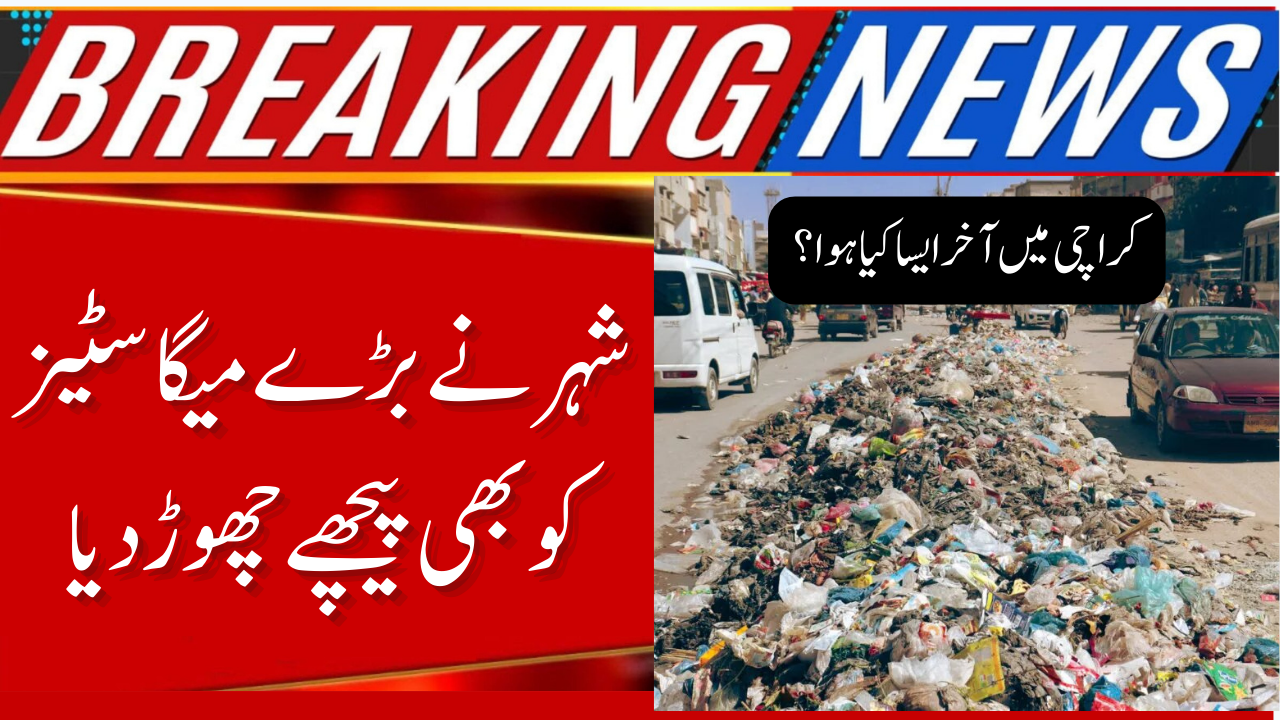
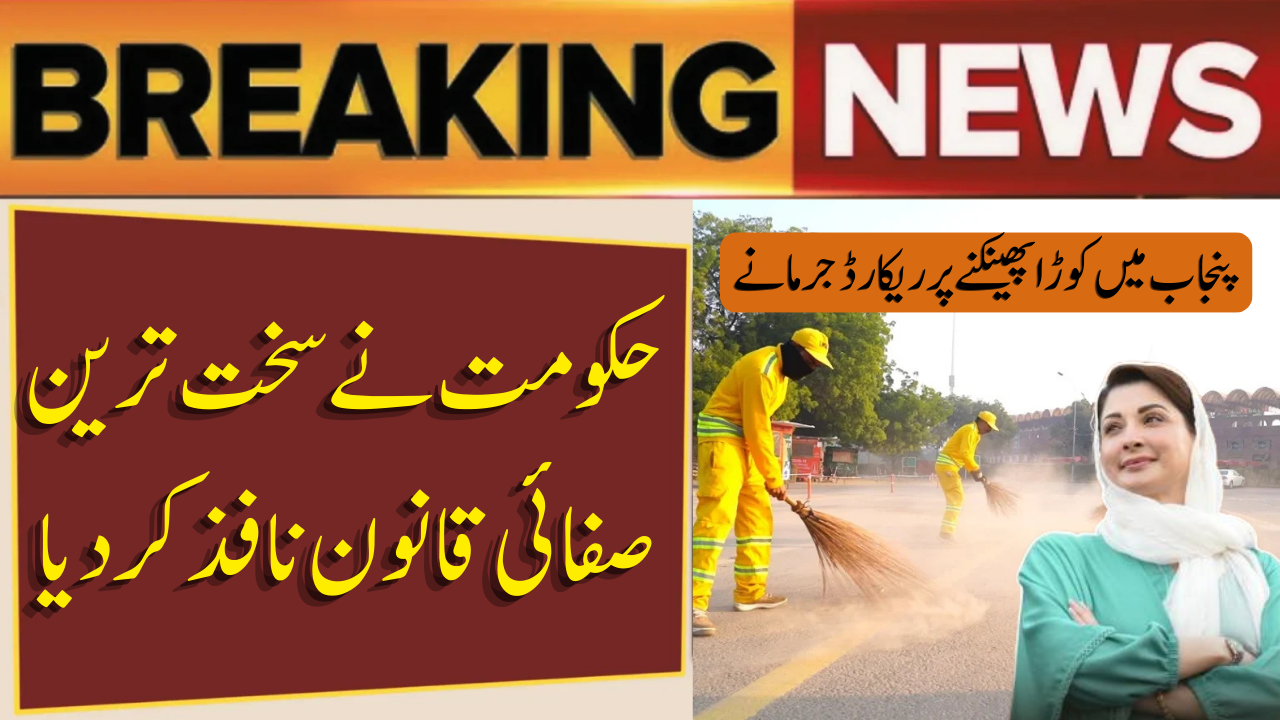
Punjab is stepping up its fight against public littering with new enforcement measures and fines. The provincial government has introduced Punjab littering fines as part of its ambitious cleanliness initiative, aiming to make streets, commercial areas, and public spaces cleaner and healthier for residents. This decision reflects the government’s commitment to improving environmental standards and sustainable waste management across the region.
Punjab’s Cleanliness Drive and the Suthra Punjab Project

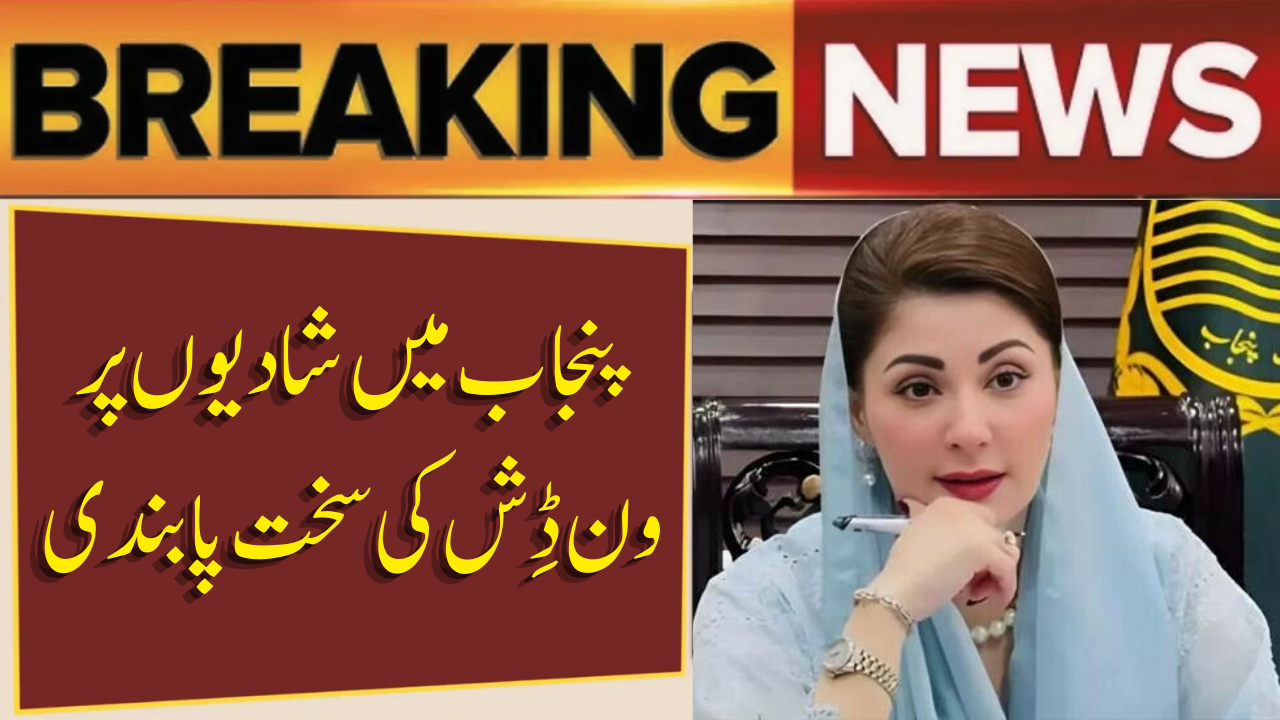
The announcement comes under the widely recognized Suthra Punjab project, which has been making significant strides in provincial sanitation. During a key meeting chaired by Chief Minister Maryam Nawaz, officials shared that public feedback on the project has been overwhelmingly positive. The initiative includes:

- Vehicle-tracking systems for sanitation operations
- Live monitoring of waste containers in public areas
- Improved oversight for commercial and residential waste management
The Punjab littering fines initiative is a crucial addition to this framework, ensuring that residents and businesses actively participate in maintaining cleanliness.

Enforcement Measures and Public Compliance
Under the new measures, both individuals and businesses found littering in public spaces or commercial zones will face strict fines. CM Maryam Nawaz emphasized that the enforcement will be comprehensive, covering:

- Roads and streets across cities and towns
- Commercial areas with high pedestrian traffic
- Residential neighborhoods where littering has been a persistent issue
Officials highlighted that these fines are intended not just as a punishment, but as a deterrent to encourage responsible waste disposal among the public.
Moving Towards Sustainable Sanitation
Punjab is also introducing eco-friendly measures in line with its sustainability goals. Key initiatives include:

- Electric Sanitation Vehicles: All sanitation vehicles in the province will gradually transition to electric models to reduce pollution.
- Waste-to-Energy Projects: The government plans to generate electricity from waste, transforming garbage into a valuable energy resource.
- Waste-to-Value Programs: CM Maryam Nawaz instructed officials to submit a detailed plan for these programs by mid-January, aiming to make waste management both efficient and profitable.
These steps underline how Punjab littering fines are part of a broader environmental strategy, combining enforcement with innovation.
Public Response and Community Participation
The public has shown strong support for the cleanliness initiatives. Citizens report better-maintained streets, improved garbage collection, and a noticeable reduction in litter. The government encourages community participation, reminding residents that maintaining cleanliness is a shared responsibility.
By enforcing Punjab littering fines, authorities hope to:
- Foster a culture of environmental responsibility
- Reduce health hazards caused by unmanaged waste
- Enhance the aesthetic appeal of cities and towns
Conclusion
The introduction of Punjab littering fines marks a significant step toward a cleaner and more sustainable province. By combining enforcement, technology, and public engagement, Punjab is setting a strong example for urban and rural sanitation. With strict fines, eco-friendly vehicles, and waste-to-energy initiatives, the province aims not only to reduce litter but also to transform waste management into a sustainable, long-term solution.